
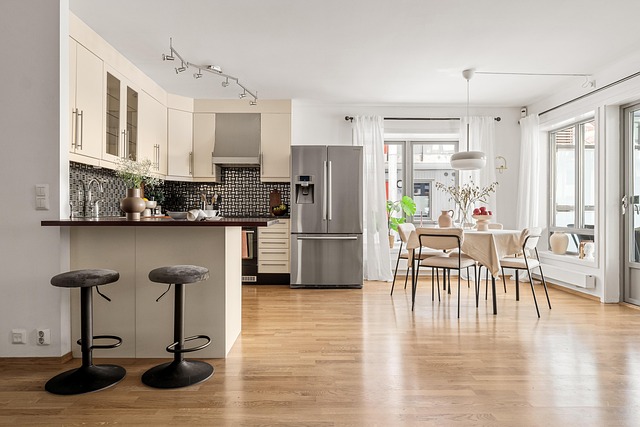
Owning rental properties requires constant decision-making. One of the most common challenges landlords face is determining when a repair is sufficient and when full replacement is the smarter long-term investment. Here are some tips for understanding service life, legal obligations, depreciation, and cost comparison strategies that help protect both property value and tenant satisfaction.
Tip #1: Start with Habitability Requirements
Before weighing cost, landlords must consider legal obligations. Rental housing must meet basic safety and livability standards under the implied warranty of habitability [1], which requires properties to remain safe and fit for human occupation throughout the lease term. Landlords are responsible for maintaining working plumbing, heating, electrical systems, structural integrity, and for addressing serious health or safety issues in a timely manner [1].
Under Virginia law, landlords must follow building and housing codes affecting health and safety and make repairs needed to keep property fit and habitable [2]. If a repair issue affects these essential systems, replacement may be necessary if repair will not restore full functionality.
Tip #2: Consider the Age and Expected Lifespan
Every major system and appliance has an average service life. Water heaters typically last between 8 and 12 years for tank models and 15 to 20 years for tankless systems [3]. Roofing materials vary significantly, with asphalt shingles lasting 15 to 50 years depending on grade, while materials like metal, tile, or slate can last decades longer [4].
If a component is nearing or exceeding its expected lifespan, replacement often makes more financial sense than continued repairs. However, if the item is still within the first half of its projected service life, a repair is usually justified.
Tip #3: Apply the 50 Percent Rule
A practical guideline many property owners use is the 50 percent repair cost rule [5], meaning if a repair will cost more than half of what it would take to replace the item, replacement is typically the better investment.
Repair costs should also be evaluated alongside performance issues. Persistent leaks, declining efficiency, or repeated breakdowns may indicate that replacement will prevent ongoing maintenance expenses and tenant disruption.
Tip #4: Evaluate Energy Efficiency and Operating Costs
Older systems often consume more energy. Modern replacements can reduce utility costs and improve reliability. Upgrading aging appliances may improve long-term operating expenses while reducing emergency maintenance calls.
Tip #5: Factor in Depreciation and Tax Treatment
Landlords should also consider tax implications. Rental property appliances generally depreciate over five years under IRS guidelines [6], allowing owners to recover part of the purchase cost over time. Built-in appliances such as dishwashers, stoves, refrigerators, washers, and dryers qualify for depreciation.
Understanding depreciation schedules helps landlords determine whether replacing an aging appliance provides financial advantages beyond operational improvements.
When Repair Makes Sense
Repair is often the better choice when:
- The item is less than halfway through its service life
- Repair costs are well below replacement cost
- The issue is isolated and not recurring
- Replacement parts are readily available
Simple component failures, such as valves, thermostats, or switches, can often be corrected without significant investment.
When Replacement is the Smarter Move
Replacement is typically advisable when:
- The system is at or beyond its average lifespan
- Repairs exceed 50 percent of replacement cost
- Multiple breakdowns have occurred in recent years
- Efficiency has declined significantly
- The issue impacts habitability or safety
Making proactive replacement decisions reduces liability risk, improves tenant satisfaction, and protects long-term property value.
Making Strategic Maintenance Decisions
Successful property management requires balancing cost control with long-term asset preservation. By evaluating service life, legal requirements, energy efficiency, and depreciation benefits, landlords can make informed decisions that support both profitability and tenant retention.
If you are unsure whether a repair or replacement is the right move for your property, contact FAS Management for guidance. Our team can help evaluate system condition, compare repair-versus-replacement costs, and prioritize maintenance decisions that protect your investment and support a better tenant experience.
Sources:
- https://legalclarity.org/what-does-habitability-mean-for-landlords-and-tenants/
- https://www.valegalaid.org/files/E095B726-FCD8-81C1-17DC-A16C7ED73FFF/attachments/0AA49B57-D809-4AE2-8FC8-4483DED802F8/repairs-and-maintenance-of-rental-property.pdf
- https://todayshomeowner.com/plumbing/guides/how-long-does-a-water-heater-last/
- https://nonprofithomeinspections.org/average-service-life-of-different-residential-roofing-materials/
- https://repairmen.com/appliance-repair-vs-replacement/
- https://www.fortunebuilders.com/p/appliance-depreciation/
