
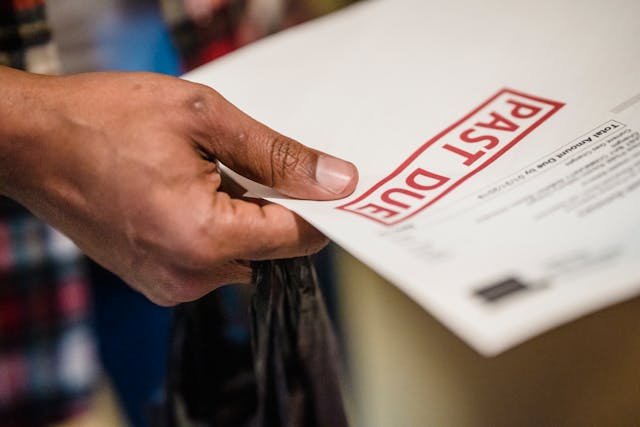
Whether you have a short-term vacation rental or a long-term investment property, one of the most common issues landlords face is late rent payments. Late payments aren’t just frustrating—they can impact your cash flow, mortgage payments, and overall financial stability.
Handling late rent payments requires a balanced approach that protects your interests while maintaining positive tenant relationships. Below are some practical tips that can help landlords navigate late rent situations effectively while minimizing financial impact.
Establish Clear Payment Terms
Before tenants sign the lease, ensure they are fully aware of the payment terms. The lease agreement should clearly state the due date, grace period, and penalties for late payments. Going through these terms in detail guarantees that the tenant understands their obligations and reduces the chances of late payments.
Maintaining open lines of communication with tenants goes a long way in preventing misunderstandings regarding payment terms. Encourage tenants to reach out if they anticipate any difficulties meeting their payment deadlines. This proactive communication can often prevent late payments from becoming an issue.
Be Understanding Yet Firm
Everyone faces financial difficulties at one time or another. When a tenant pays rent late, listen to their concerns before taking action. A little empathy can build trust and goodwill, potentially encouraging future punctuality.
While kindness is crucial, it’s important to adhere to the lease agreement. Consistently apply any penalties or late fees as outlined in the contract. This establishes a precedent and lets tenants know that rules will be enforced uniformly.
Have a System for Handling Late Payments
Having a structured process allows for consistency in handling late rent payments. For example, consider having a set of steps like:
- First reminder. Send a gentle reminder immediately after the rent is overdue, reiterating the lease terms.
- Second notice. If the payment is not made shortly after the first reminder, follow up with a more formal notice stating any incurred late fees.
- Personal contact. Reach out personally through a phone call or meeting to understand any financial issues.
- Final notice. If the rent remains unpaid, send a final notice that includes the implications of continued non-payment, such as eviction.
Property management software can automate these reminders and keep track of payments, helping you manage rental payments efficiently and act promptly and accurately should rent be late.
Offer Multiple Payment Options
By providing tenants with convenient ways to pay rent, such as through online portals, credit card, or direct debit, landlords can reduce the frequency of late payments. Online systems also provide immediate receipts and minimize the chances of lost checks or other delays.
Take Legal Action When Necessary
In situations where a tenant is persistently late or fails to pay, landlords may need to consider legal action. Know the landlord-tenant laws in your area regarding eviction and recovery of unpaid rent. Consulting with a legal professional before proceeding can ensure that any action taken is compliant with local regulations to reduce your liability.
Streamline Property Management With FAS
If you’re a landlord struggling with managing late rent payments or other property management challenges in Maryland or DC, contact FAS Management. Our team of property management professionals can help you streamline rent payments and other essential management tasks for a stress-free investment. Contact us today at (202) 337-5080!
