
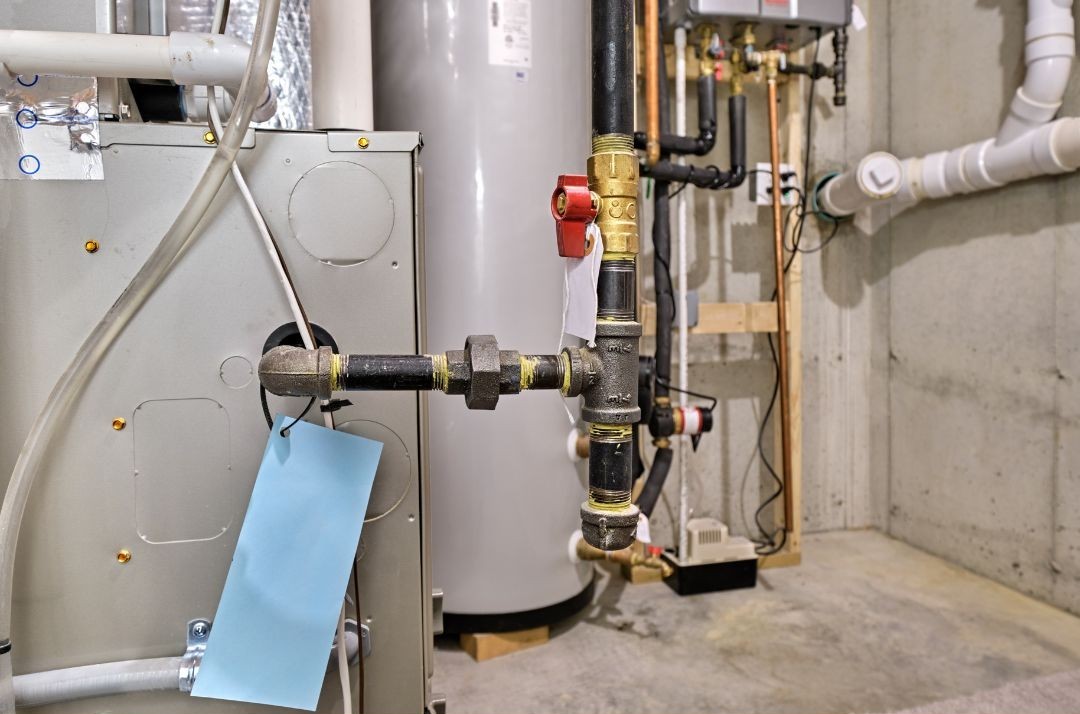
Keeping a rental property in good condition involves more than responding to maintenance requests as they arise. Over time, roofs, HVAC equipment, windows, plumbing components, and other major systems age, while repair and operating costs can gradually increase. Eventually, addressing each issue individually may no longer be the most practical approach.
The IRS distinguishes routine repairs from larger improvements, with repair costs generally covering work that keeps a rental property in good working condition without adding value [1], while major replacements may qualify as capital improvements. For rental property owners, a capital improvement plan can help organize larger projects, anticipate expenses, and prioritize improvements before multiple problems arise at once.
Here are five signs it may be time to develop a more comprehensive plan for your property.
Sign 1: Major Building Systems Are Approaching the End of Their Useful Life
Every major component of a property has a limited lifespan. Furnaces and heat pumps commonly last around 15 years, while roofing, water heaters, appliances, and other systems have their own expected replacement timelines [2].
If several systems throughout your rental property are aging simultaneously, waiting for each one to fail can lead to unpredictable expenses. A capital improvement plan allows owners to identify upcoming replacements and budget for them strategically.
Sign 2: You Are Paying for the Same Repairs Again and Again
Occasional repairs are part of property ownership. Frequent repairs to the same equipment or building system can be a different story.
Effective preventive maintenance can reduce the risk of early equipment failure and unexpected downtime [3], but there eventually comes a point when continuing to repair an aging system becomes less practical than planning its replacement. Tracking maintenance history can help owners identify equipment that repeatedly consumes time and money.
Sign 3: Deferred Maintenance Is Starting to Accumulate
Small maintenance issues can become larger problems when they remain unresolved. The EPA identifies roof leaks, deferred maintenance, plumbing failures, and slow plumbing leaks as common sources of moisture problems in buildings [4].
If your maintenance list continues growing or temporary fixes are becoming routine, it may be time to look beyond individual repairs. A planned approach can prioritize improvements based on urgency, potential property damage, and available budget.
Sign 4: Utility and Operating Costs Keep Increasing
Rising utility expenses can also signal opportunities for larger property improvements. ENERGY STAR notes that reducing energy, water, and waste across multifamily properties can lower operating costs and increase property asset value [5].
Older HVAC equipment, inefficient windows, outdated lighting, and other systems may contribute to higher operating expenses. Monitoring property performance can help identify where strategic upgrades could make the greatest difference.
Sign 5 Several Major Projects Are Coming Due at the Same Time
Replacing one major component is manageable. Replacing a roof, furnace, windows, and doors within a short period can place much greater pressure on a property’s budget.
These projects may also qualify as more than routine repairs. For example, the IRS generally considers replacement of an entire roof, all windows and doors, or a furnace to be capital improvements because they replace major components or substantial structural parts of the property [6].
Planning these projects ahead of time can help owners establish priorities, coordinate work, and prepare financially instead of reacting to several large expenses at once.
Build a Smarter Long-Term Strategy for Your Rental Property
A capital improvement plan gives property owners a clearer picture of what their rental property may need over the coming years. Rather than waiting for aging systems or deferred maintenance to become emergencies, proactive planning can make major improvements easier to manage.
Contact FAS Management to discuss how professional property management can help you stay ahead of maintenance needs, protect your investment, and develop a stronger long-term strategy for your rental property.
Sources:
- https://www.irs.gov/taxtopics/tc414
- https://www.thisoldhouse.com/how-long-stuff-lasts
- https://www.energystar.gov/buildings/save-energy-commercial-buildings/ways-save/om-best-practices
- https://www.epa.gov/mold/mold-remediation-schools-and-commercial-buildings-guide-appendix-b
- https://www.energystar.gov/buildings/resources-audience/multifamily-housing
- https://www.irs.gov/faqs/sale-or-trade-of-business-depreciation-rentals/depreciation-recapture
